This workshop was hosted at the University of Central Florida on November 4 and 5, 2024, with participation by 12 experts from universities and national laboratories across the United States.
Activities
On day 1 of the workshop, participants worked in small groups to develop recommendations and guidelines for team learning in the groups who collaboratively produce and utilize scientific software. To faciliate discussion on this topic, groups were provided with guidance and resources on team learning alongside collaboration scenarios based on real-world projects, where team learning can serve to improve team and software outcomes.
Breakout groups focused on distinct, complementary areas for targeting team learning, including supporting multi-team systems, leveraging artificial intelligence, and advancing social equity. Groups joined together in a plenary session after each breakout session to present their proposals and elicit feedback.
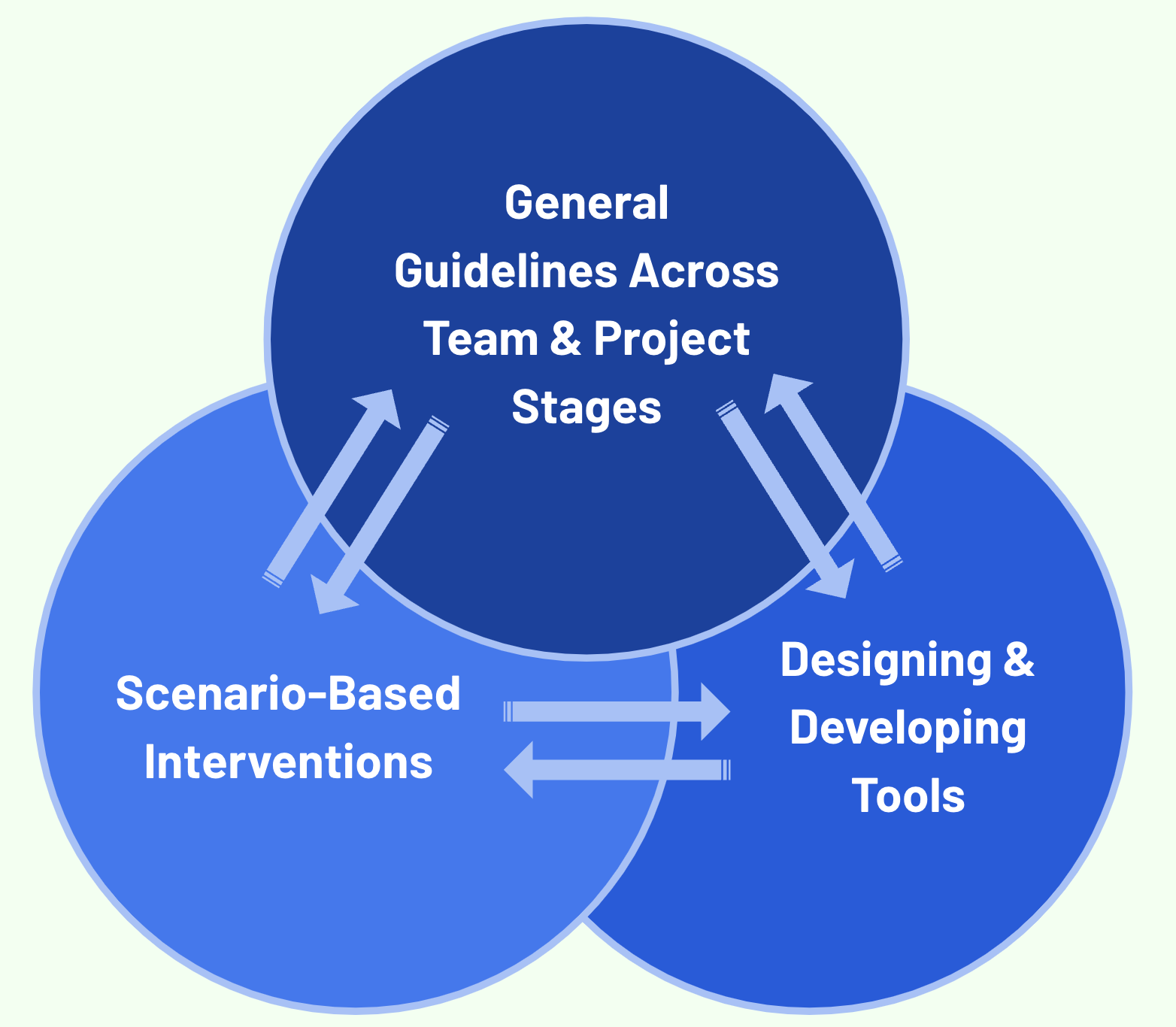
Figure 1:Opportunities to advance team learning in scientific software.
On day 2 of the workshop, participants engaged in discussion and reflection on the prior day’s activities; opportunities for mentorship, publications, and community engagement; and maintaining a focus on the needs and requirements of scientific software teams. A preliminary synthesis of workshop themes and products resulted in the identification of three paths to advance team learning: general guidelines, scenario-based interventions, and tools (Figure 1).
Workshop participants communicated the value of the workshop topic for scientific software and affirmed their commitment to continued collaboration.
A plan was established to explore opportunities for growing awareness of team learning, including, for example, extension of workshop position papers.
Outcomes
A presentation to report on the workshop was presented in a minisymposium at SIAM CSE25 in collaboration with members of Sustainable Horizons Institute, Argonne National Laboratory, Sandia National Laboratories, the University of Notre Dame, and the University of Illinois at Urbana-Champaign.
The TL4BSSw group is currently developing a manuscript for submission to a computational science and engineering venue.